We invite submissions to our special session at the 2026 Joint 14th International Conference on Soft Computing and Intelligent Systems (SCIS) and 27th International Symposium on Advanced Intelligent Systems (ISIS).
Important Dates
- Conference Dates: November 2-5, 2026
- Paper Submission Deadline: July 3, 2026
- Acceptance Notification: August 28, 2026
About the Session
The integration of machine learning into high-stakes decision-making in domains such as healthcare and autonomous systems has led to research to understand these decisions. While Explainable AI (XAI) has emerged as a dominant research area, the "explanation" is often treated as a technical byproduct rather than a human-oriented solution.
This special session focuses on the intersection of soft computing and human-centric design. Soft computing techniques are uniquely positioned to bridge the gap between complex mathematical models and human linguistic reasoning. However, the true value of an explanation lies in its interpretability, relevance, and utility to the end-user.
We encourage contributors to consider the multidimensional nature of this problem—specifically regarding the audience (who is the user?), the scale (global vs. local explanation), and the stage of interpretability (intrinsic vs. post-hoc). For a detailed discussion on these 'lenses' in the context of soft computing, see Pickering et al., 2025.
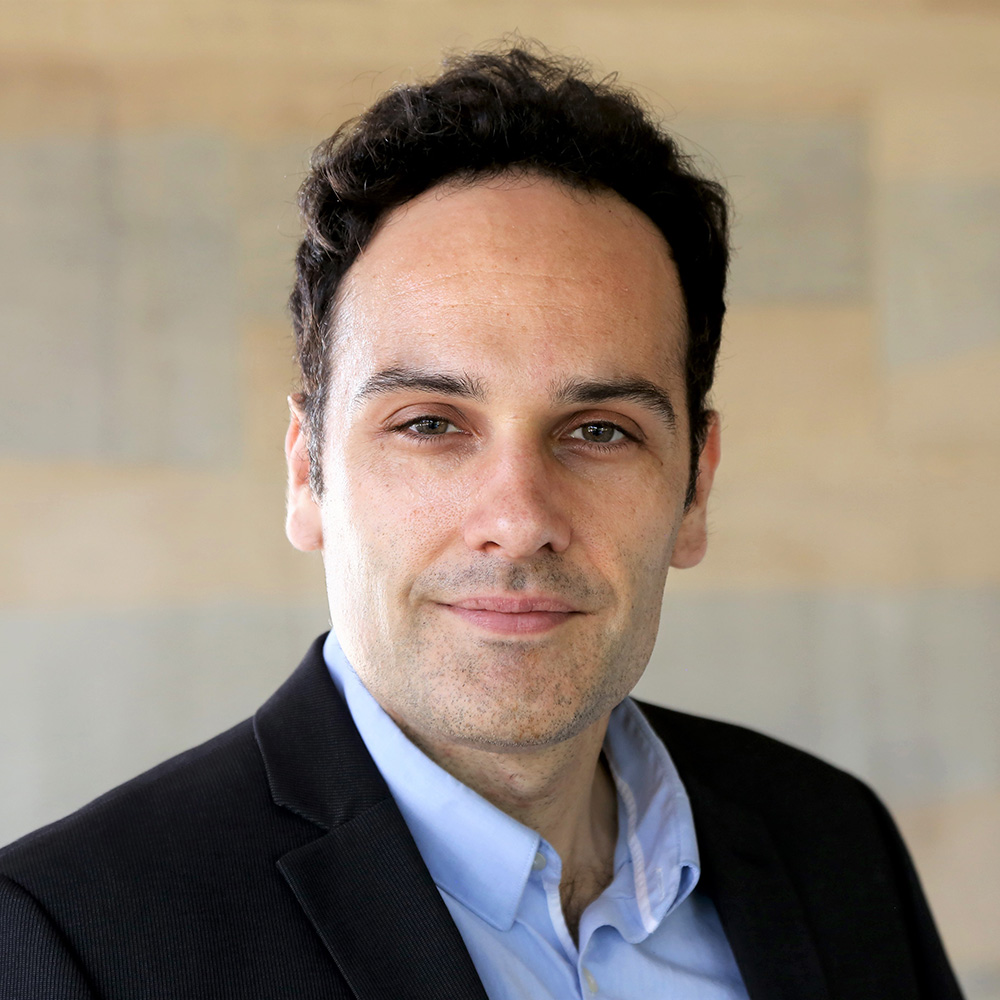
Organizers


Call for Papers
We invite contributions that explicitly place the human (domain expert, model designer or other end-user) at the center of the research. We also encourage submissions that are not fully there yet, but express an interest in this direction.